Progressive Aisha Wahab Triumphs in California Special Election to Replace Eric Swalwell
The victory for the state senator in a heavily Democratic district underscores the ongoing ideological contest between progressive and moderate factions within the party.
Politics·
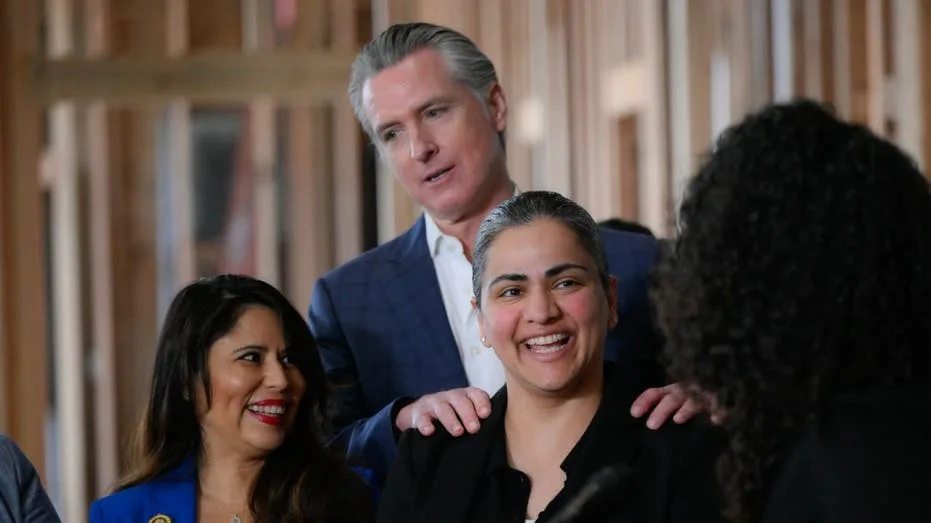
State Senator Aisha Wahab, a prominent progressive and Assistant Majority Leader, has emerged victorious over Melissa Hernandez, a more moderate public transit executive, in a recent special election. This contest was held to fill the congressional seat left vacant by former Representative Eric Swalwell and has been widely seen as a significant battleground in the ideological struggle between the established and progressive wings of the Democratic Party.
The California Special Election Outcome
Wahab garnered substantial backing from key Democratic figures such as California Attorney General Rob Bonta, Lieutenant Governor Eleni Kounalakis, and renowned labor leader Dolores Huerta. In contrast, Hernandez received considerable financial support from super PACs and endorsements from local officials.
Heading into Election Day, Wahab was the clear frontrunner, securing 42.8% of the vote in the special primary election, significantly outperforming Hernandez, who received 16.8%. California's electoral system employs "jungle primaries," which allow the top two vote-getters, irrespective of their party affiliation, to advance to the general election. In this particular race, both Wahab and Hernandez, being Democrats, claimed the top two positions, effectively preventing any Republican candidate from advancing in a district historically dominated by Democrats, which Kamala Harris easily carried in the 2024 presidential election.
It is important to note that this special election result represents a provisional victory, as it only determines who will serve for the remaining two months of Swalwell's term. The two candidates are anticipated to compete again in November for a full two-year term in Congress. While this initial win is temporary, incumbents typically hold an electoral advantage. The general election later this year will also be conducted under slightly adjusted district boundaries, following California's recent congressional redistricting.
Campaign Divides and Allegations
The campaign trail was marked by sharp exchanges, with Hernandez primarily targeting Wahab on ethical grounds, citing alleged missteps during her tenure in Sacramento. Specifically, Hernandez accused Wahab of circumventing campaign finance regulations by channeling $60,000 from her state campaign account through the Alameda County Democratic Party, which subsequently funded pro-Wahab congressional mailers.
Wahab responded with her own criticisms concerning campaign finance, accusing Hernandez of accepting funds from pro-Israel donors and benefiting from expenditures made by pro-Israel super PACs. The Israeli-Palestinian conflict has emerged as a contentious issue within the Democratic Party, serving as a major point of contention in the internal power struggle, with progressives frequently advocating for policies that challenge traditional support for Israel.
Broader Trends in Progressive Politics
The outcome in California occurs amidst a mixed national landscape for progressive Democrats. Earlier in the election cycle, progressive candidates achieved notable successes in various high-profile races in New York, Pennsylvania, Colorado, and Washington, D.C. However, more recently, their performance has not met expectations in Democratic primaries, particularly in Michigan's Senate race and Wisconsin's gubernatorial contest.
This fluctuating performance has fueled an ongoing debate within the Democratic Party. Some observers interpret the recent underperformance of progressive candidates as an indication that the influence of socialist ideas within the party may be waning. Conversely, others point to the sustained popularity of socialist politicians and policies, especially among younger demographics, as evidence that the progressive movement continues to hold significant sway. The impending November rematch between Wahab and Hernandez will provide further insight into these evolving dynamics.
Related Stories
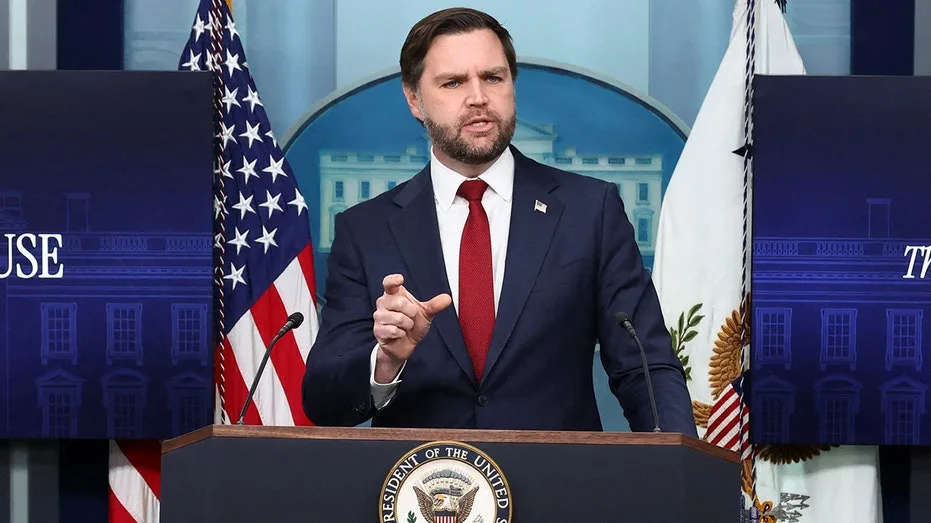
Vice President Vance Delivers Candid Political Assessments in Viral Social Media Segment
Vice President JD Vance recently shared his quick, unfiltered characterizations of various political figures in a TikTok video. His remarks ranged from highly complimentary for administration colleagues to sharply
Aug 21
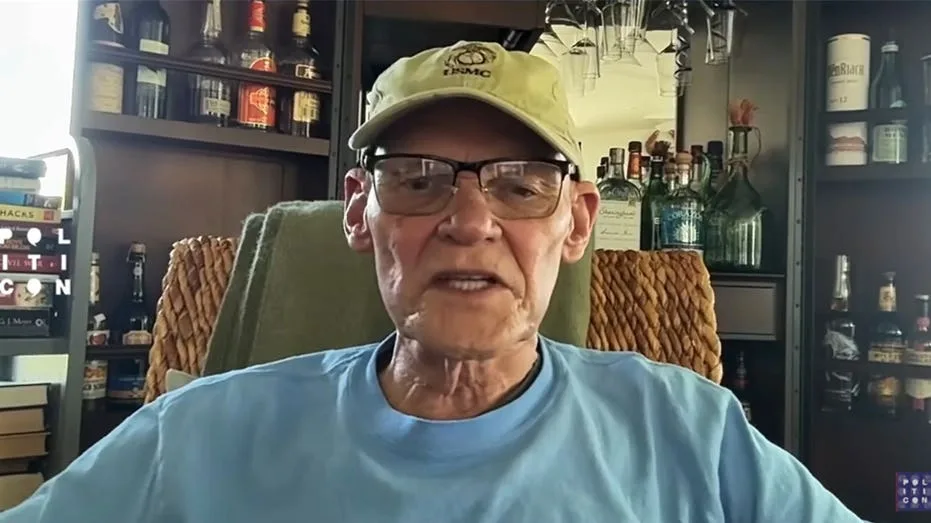
James Carville Urges Democratic Socialists: 'Don't Use Our Goddamn Name'
Veteran Democratic strategist James Carville recently lambasted the far-left within his party, specifically telling "democratic socialists" to stop using the Democratic name. His comments came during an event promoting
Aug 21
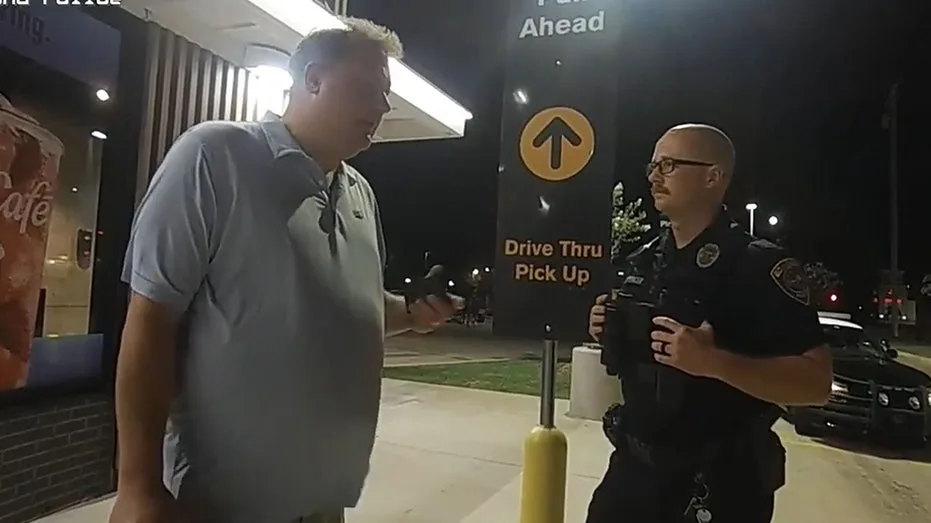
Oklahoma Secretary of State Arrested on Public Intoxication Allegation; Attorney General Demands Firing
Oklahoma Secretary of State Ben Lepak was arrested on suspicion of public intoxication outside a McDonald's. Attorney General Gentner Drummond, citing bodycam footage, has demanded Governor Kevin Stitt fire Lepak,
Aug 21
Obama-Era Strategist Criticizes Senator Ossoff's 'Gratuitous' Remark About Trump Aide
A prominent Democratic strategist who worked with former President Barack Obama has weighed in on Senator Jon Ossoff's viral comments targeting Donald Trump's executive assistant. The strategist deemed the specific
Aug 20