U.S. Military Mandates Testosterone Testing for Male Personnel Aged 30 and Above
The Department of Defense has issued new clinical guidelines requiring active-duty and reserve male service members over 30 to undergo mandatory testosterone deficiency screenings.
Politics·
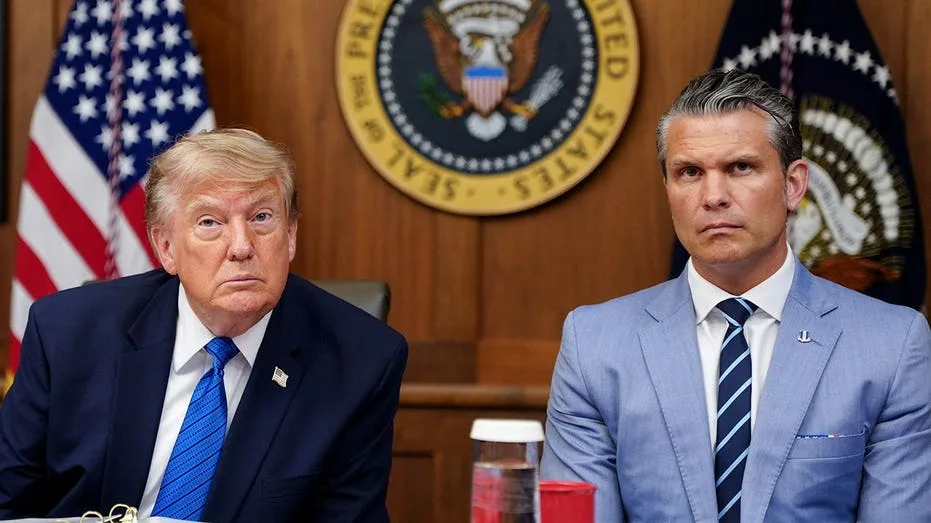
The Department of Defense has rolled out new clinical guidelines establishing a mandatory screening policy for testosterone deficiency among active-duty and reserve service members aged 30 and older. This directive follows an announcement in July by Defense Secretary Pete Hegseth, who authorized the screening program to ensure troops maintain optimal testosterone levels for peak performance.
At the time, Hegseth emphasized the importance of comprehensive health care for military personnel, stating, "Taking care of your long-term health means ensuring you remain strong, resilient and capable — not just for your next deployment, but for the rest of your life, so you can thrive long after you take off the uniform."
Effective immediately, the new guidance mandates blood tests for testosterone levels for all men aged 30 and above. Younger male service members will undergo testing only if they request it or if medical clinicians identify potential warning signs.
Those diagnosed with low testosterone may receive further medical evaluation and and, if deemed clinically appropriate, could be offered voluntary hormone replacement therapy.
Testosterone is a hormone crucial for male development, contributing to muscle strength, body hair growth, and sperm production, with levels naturally increasing during puberty. Typically, between the ages of 30 and 40, men experience a natural decline in their testosterone levels.
Broader Hormonal Screening and Restrictions
Under the new guidelines, women will not be required to undergo routine testosterone blood tests. However, they will be screened for symptoms such as fatigue and irregular menstrual cycles, which can indicate hormonal dysregulation, low-energy availability, or relative energy deficiency in sport.
The policy also includes specific guidelines for the appropriate prescription of off-label testosterone for women, particularly for postmenopausal individuals experiencing unusually low sexual desire.
It is important to note that the non-medical use of testosterone, including for performance enhancement without a doctor's prescription, remains strictly prohibited within the military.
The Pentagon stated that these standardized screening and treatment protocols for both men and women are intended to bolster military readiness by proactively identifying and managing issues related to hormonal balance and energy availability.
Medical Community Concerns
Despite the stated goals, some medical experts, including endocrinologists, have expressed reservations regarding the widespread implementation of testosterone testing. They cite a lack of conclusive evidence to support the assertion that universal screening for low testosterone among service members would definitively improve overall military readiness.
Concerns have also been raised about the potential for unnecessary or even harmful treatments resulting from broad-based testing.
In response to ongoing discussions, the Food and Drug Administration (FDA) is scheduled to convene a meeting later this month with experts to deliberate on the medical applications and implications of testosterone use.
Related Stories
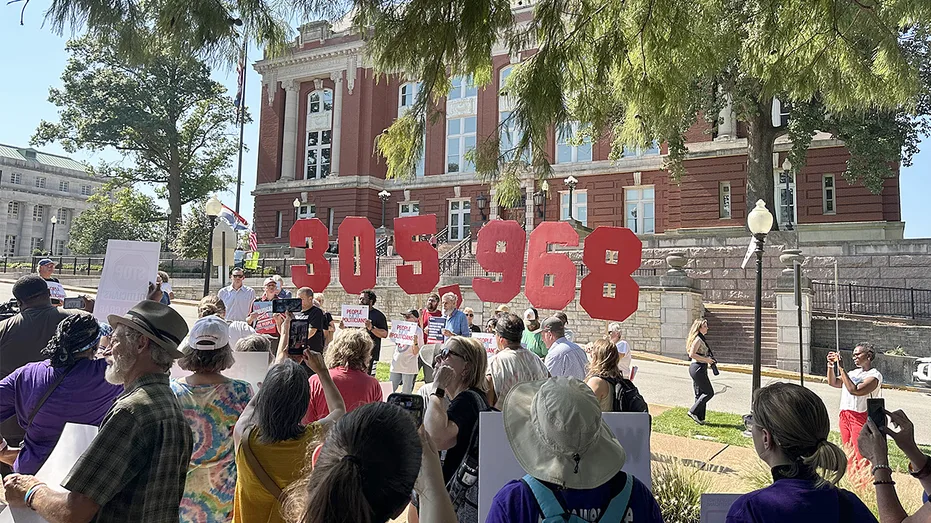
Missouri Supreme Court Blocks New Congressional Map, Citing Referendum Requirement
Missouri's Supreme Court has unanimously blocked the new Republican-drawn congressional map, mandating a statewide referendum for voter approval. This decision marks a significant setback for Republicans ahead of the
Sep 4

Trump Administration's 250-Foot Triumphal Arch Project Faces Legal Opposition as Excavation Nears
The Trump administration is proceeding with excavation for a 250-foot triumphal arch in Washington, D.C., located between the Lincoln Memorial and Arlington National Cemetery. The project faces a lawsuit from opponents
Sep 3

Missouri State House Candidate Faces Federal Drug Charges in Alleged Plot to Frame Political Rival
A Republican candidate for the Missouri state House is facing federal drug charges. Thomas Christopher Ross is accused of conspiring to plant cocaine and prescription pills on his political rival, Louise Secker, before
Sep 3
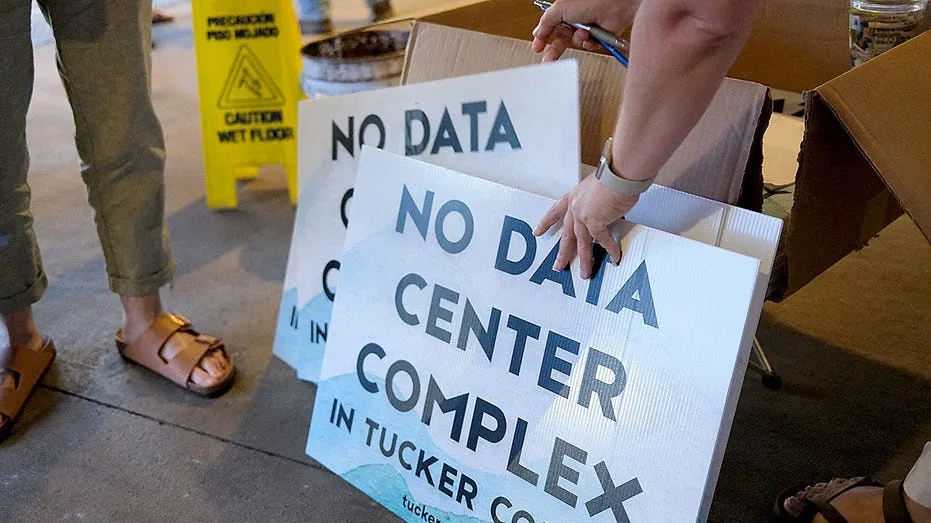
GOP Candidates Shift Stance on Data Center Expansion, Diverging from Trump's Pro-Development View
Amid rising public opposition to new data centers driven by energy and water concerns, numerous Republican candidates are now questioning or opposing rapid expansion. This marks a notable shift from former President
Sep 3