Former Democrat Micah Jones Seeks to Flip Massachusetts Congressional District as Republican
Attorney and military veteran Micah Jones aims to capitalize on an open seat in Massachusetts' 6th Congressional District, hoping to bring Republican representation to a blue state delegation.
Politics·
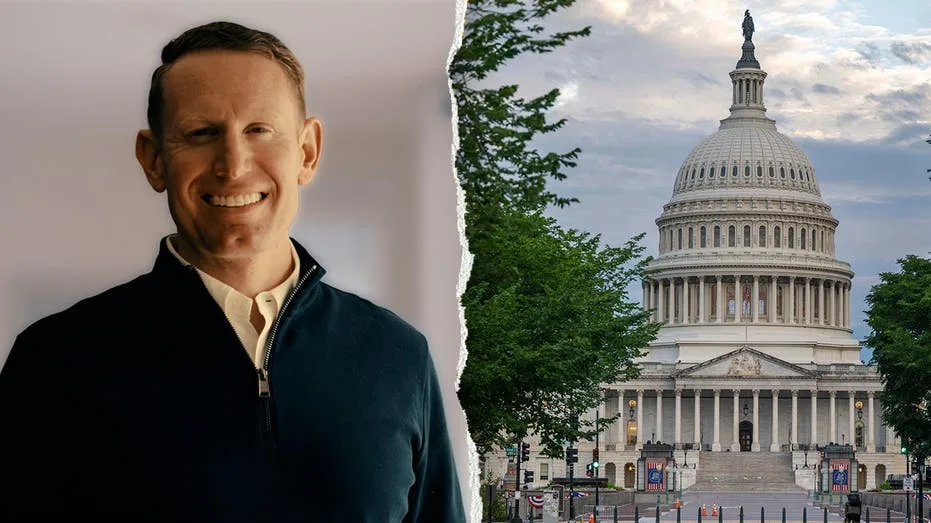
Micah Jones, a military veteran and attorney who previously identified as a "JFK Democrat," is now campaigning as a Republican for Massachusetts' 6th Congressional District. He describes the current election cycle as a "once-in-a-lifetime" opportunity to potentially flip the long-held Democratic seat.
Jones highlighted the rarity of the situation, noting, "The last time this seat was open was 47 years ago."
He contends that Massachusetts is disadvantaged by having a congressional delegation composed entirely of one party, which he believes is "less inclined to work across the aisle than representatives of other states."
Jones's strategy relies on convincing the district's substantial independent voter base, and possibly some moderate Democrats, that Massachusetts would benefit from having at least one Republican representative. He draws parallels to historical instances of Republican electoral success in the Bay State, suggesting his candidacy could defy expectations and contribute to the broader balance of power within the House of Representatives.
Prior to his congressional bid, Jones served in the military, specifically with the 82nd Airborne Division, undertaking a deployment to Afghanistan between 2014 and 2015. Following his military service, he pursued a legal education and subsequently worked as an attorney.
Ideological Evolution and Concerns
It was during his time in law school that Jones first started questioning the trajectory of the Democratic Party, expressing "shock" at its evolving direction.
Recalling that period, Jones stated, "This was back in 2016. That was kind of the incubator before everything that we've now dealt with the last few years in regards to more progressive ideologies."
"In particular, when it came to support for law enforcement — this was during the defund the police movement. When it came to a worldview that tried to classify people between oppressors and oppressed, I felt that was fundamentally different than President Kennedy's vision. And at that point, I left the Democratic Party, became an independent."
A Pragmatic Approach to Representation
While Jones believes a segment of Massachusetts' 63% registered independent voters might resonate with his concerns about the Democratic Party, his primary appeal to them is rooted in pragmatism.
He argues that Massachusetts is currently missing out on the advantages of having Republican representation that could effectively coordinate with a Republican presidential administration and Congress.
Jones pointed out that the state's entire federal delegation, comprising "Our two senators, our nine congressional members — none of them are Republicans." He characterized their stance, particularly concerning the Trump administration, as adopting a "resistance-only mindset."
He continued, stating that this approach leads to a loss of "significant federal funding, billions of dollars in federal funding." Jones envisions himself as the singular Republican within the delegation, capable of working constructively with an administration when appropriate, challenging it when necessary, and ultimately prioritizing the welfare of his district and Massachusetts as a whole.
The Republican Label and Path Forward
Addressing questions about his decision to run as a Republican rather than an independent, Jones explained that a robust campaign to flip the district necessitates the organizational and financial support of a major political party.
He affirmed, "You do need a party apparatus. And I am a Republican. I would say I’m center-right, especially on fiscal issues."
Jones acknowledged the difficulty of running as a Republican in Massachusetts, stating, "The ‘R’ next to my name is going to be challenging. I fully acknowledge that." Nevertheless, he believes that "another 15% to 20% [of voters] that really are independents and really do care about candidate quality" could be swayed.
He cited historical examples of successful Republican politicians in Massachusetts to support his argument.
"People forget, Gov. Mitt Romney was governor of Massachusetts. You have Gov. Bill Weld; you have Gov. Charlie Baker. And so, I think that the Massachusetts Republican model is one to emulate and one that works very well here," Jones remarked.
The incumbent representative for the district, Seth Moulton, a Democrat, has declared his intention to run for a Senate seat instead of seeking re-election. In his most recent re-election campaign, Moulton secured victory with 62.9% of the vote against Republican challenger Robert May Jr., a mechanical engineer, who received 35.2%.
Jones is currently running unopposed in the state's primary election scheduled for September 1, making his advancement to the general election on November 3 highly probable.
Related Stories
Alina Habba Rejects White House Press Secretary Speculation After Karoline Leavitt's Departure
Alina Habba, senior adviser to the attorney general for U.S. attorneys, has publicly stated she is not a candidate for White House press secretary. This comes after Karoline Leavitt announced her departure, leading to
Aug 20
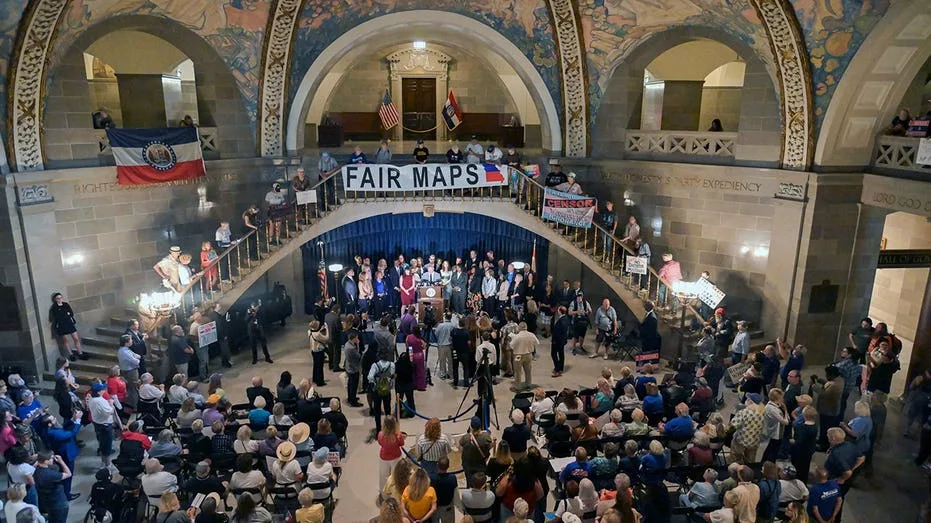
Missouri Judge Upholds GOP-Backed Congressional Map, Blocking Referendum Challenge
A Missouri judge has affirmed the state's new Republican-drawn congressional map, ruling that voters cannot challenge it via referendum. This decision allows the map, which could reshape a Democratic district, to remain
Aug 20
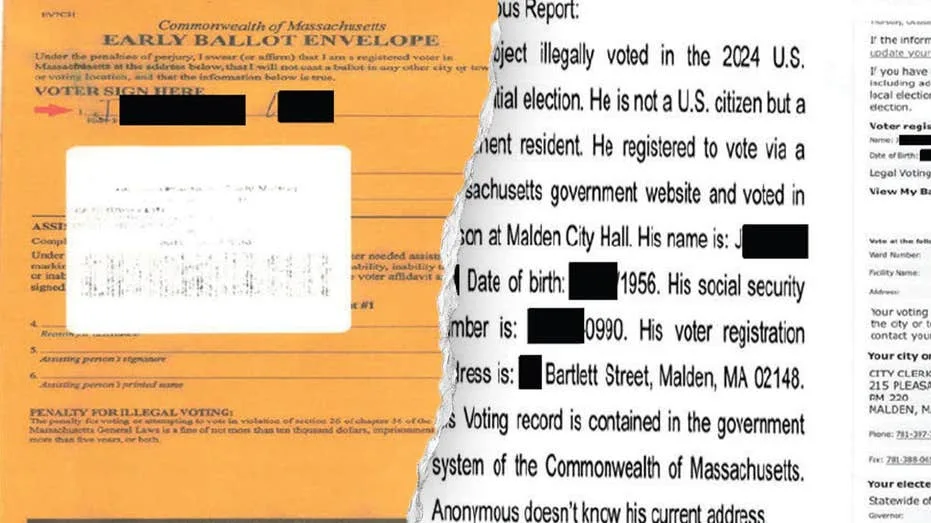
Federal Charges Filed Against Massachusetts Resident for Alleged Impersonation in 2024 Election Voter Fraud
A Massachusetts man, Yupeng Sun, faces federal charges for allegedly registering and casting a ballot in the 2024 presidential election using another person's identity. He is also accused of fabricating immigration
Aug 20
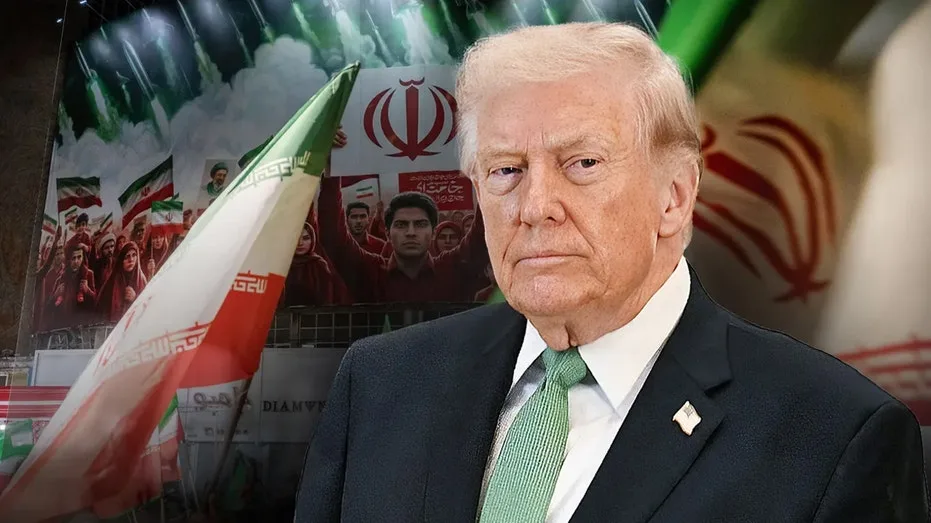
Trump Warns Nations Aiding Iran Will Face 'Unprecedented' Economic Retribution
Former President Donald Trump declared an "economic D-Day" against Iran, unveiling severe new sanctions and vowing "tremendous economic consequences" for any nation found to be offering financial or logistical lifelines
Aug 19