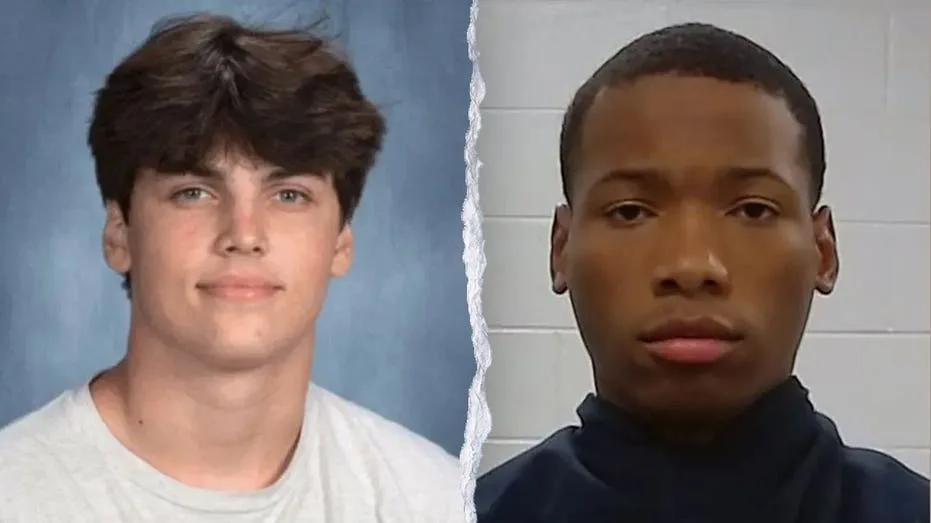
A state judge in Texas recently rejected Karmelo Anthony's request for a new trial, a decision that followed arguments from his legal team alleging violations of his rights stemming from courtroom limitations, proceedings conducted in his absence, and issues surrounding an unwritten pact between his previous defense counsel and prosecutors.
Retired District Judge Michael Chitty issued the denial after a thorough review of the motion, court records, submitted evidence, legal arguments, briefs, and pertinent case law, according to his official order. The specific rationale for Judge Chitty’s ruling was not detailed in the order.
This decision means that Anthony’s murder conviction and the 35-year prison sentence he received will remain in effect. His legal challenge against the conviction is expected to proceed through the direct appeals process.
Greg Willis, the District Attorney for Collin County, commented that his office had anticipated the court’s decision and maintains confidence in the original case outcome.
“We respect, and expected, the court’s decision denying the motion for a new trial. The jury’s guilty verdict stands, and we remain confident in the process,” Willis stated. “Every defendant has the right to appeal, and our thoughts and prayers remain with the Metcalf family in the painful wake of last week’s hearing.”
Hearing Follows Judicial Recusal
Judge Chitty presided over two days of testimony in McKinney, Texas, for the new trial hearing. This came after Judge Sid Harle had earlier removed Judge John Roach, who oversaw Anthony’s initial murder trial, from all subsequent trial court proceedings.
Judge Harle determined that an objective observer could reasonably question Judge Roach’s impartiality. This finding was based on Roach’s public comments, including his assertion that the jury “got it right” and his defense of several decisions made during the trial.
Dispute Over Oral Agreement Central to Arguments
A key focus of the new trial hearing revolved around an unwritten understanding between Anthony’s original defense attorneys and the prosecution. This agreement was reportedly intended to prevent potentially damaging character evidence from being presented to the jury by either side.
Mike Howard, who served as Anthony’s former lead defense attorney, testified that his understanding of the agreement was that it would permit Anthony to testify, provided his testimony remained focused on the confrontation that occurred under a tent at a Frisco track meet.
However, on the final day of the original trial, prosecutors informed the defense that the agreement would not apply if Anthony took the stand, asserting that the defense had, in their view, “opened the door” to character evidence. Howard recounted that this disagreement led to a heated interruption in the proceedings and ultimately made Anthony hesitant to testify.
During cross-examination, Howard conceded that the lawyers had never explicitly agreed on whether the arrangement covered a defendant who chose to testify. He also stated that he could not definitively claim the prosecutors had acted in bad faith.
Toby Shook, another former defense attorney for Anthony, provided similar testimony, explaining that the initial defense team believed the agreement encompassed Anthony’s testimony regarding the confrontation. Shook expressed surprise at the prosecutors’ stance, as the defense had consistently planned for Anthony to testify to support his self-defense claim.
The defense also presented a training slide from a continuing legal education course on self-defense, which had been used by lead prosecutor Bill Wirskye. One slide from this presentation advised defense lawyers that the client “(probably) needs to testify.”
Shook testified that during a break in the original trial, the defense team updated Anthony, informing him that Judge Roach had stated he could not enforce the unwritten agreement. This left Anthony uncertain if testifying would enable prosecutors to introduce character evidence that the agreement was designed to exclude.
Wirskye, however, disputed that the agreement was breached. He maintained that the lawyers had never discussed the specific details of what the agreement would permit if Anthony testified and that prosecutors had remained prepared to honor it. Wirskye indicated that the state was concerned that testimony from Anthony or his mother could inadvertently allow the introduction of character evidence.
Additional Legal Challenges Considered
Judge Chitty also evaluated other assertions made by the defense, including claims that restrictions on courtroom access violated Anthony’s Sixth Amendment right to a public trial. Furthermore, the defense argued that the jury instructions in the original trial unduly limited the jurors’ ability to consider self-defense.
Background of the Case
Karmelo Anthony, who was 19 at the time, was found guilty in June of stabbing and killing 17-year-old Austin Metcalf during an altercation at a track meet in Frisco. A Collin County jury subsequently sentenced Anthony to 35 years in state prison.