Senate Republicans Clash Over Voter ID Bill Tactics Amid Trump's Push
A procedural dispute concerning the "talking filibuster" has emerged among Senate Republicans as they debate the future of proposed voter integrity legislation.
Politics·
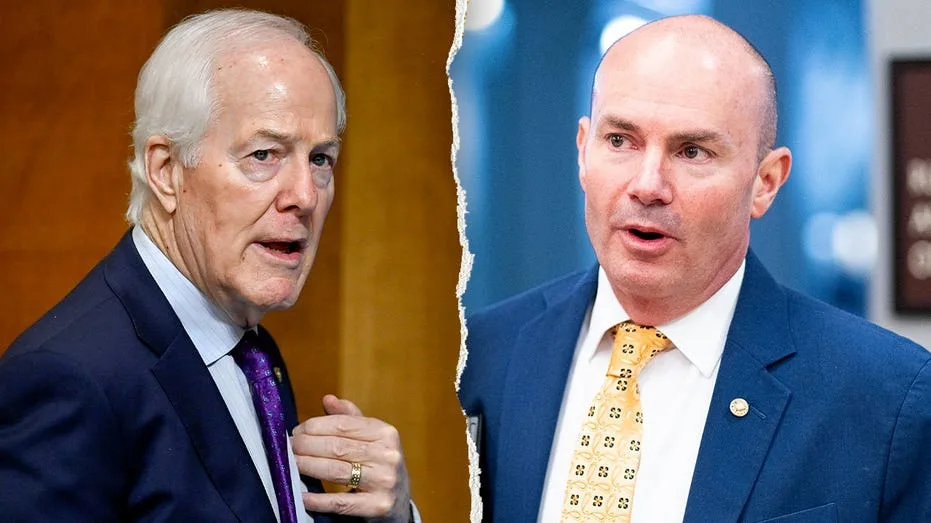
A procedural dispute concerning proposed voter identification and citizenship verification legislation has moved from private Republican Senate deliberations into public view, with prominent senators engaging in a social media debate.
Former President Donald Trump has strongly advocated for Republicans to enact the Safeguarding American Voter Eligibility (SAVE) America Act. However, the legislative path in the Senate presents significant challenges, including a lack of unified support within the Republican caucus for certain extreme measures that would be required for its passage.
Despite these obstacles, President Trump, his online supporters, and key Senate proponents of the bill continue to assert that the SAVE America Act can be passed if Republicans demonstrate the necessary resolve.
The proposed method for achieving this involves employing a "talking filibuster." Advocates suggest this tactic would wear down Democratic opposition, ultimately leading to the SAVE America Act being approved by a simple majority vote.
Conversely, opponents caution that such a strategy would monopolize the Senate's most valuable asset—floor time—thereby allowing Democrats to dictate the chamber's agenda. There is also concern that Republicans might not maintain unity to defeat Democratic amendments on a wide array of issues.
Senate Republicans Debate Filibuster Strategy
These differing viewpoints have led to clashes typically confined to closed-door Senate discussions spilling onto social media platforms, particularly between Senator Mike Lee (R-Utah) and Senator John Cornyn (R-Texas).
There is not a single instance in the history of the United States Senate where a ‘talking filibuster’ has resulted in a favorable outcome for the proponent.
Senator Cornyn articulated this stance on X, sharing a memo that outlined several "issues" associated with initiating a talking filibuster. These concerns included potential difficulties for senators in campaigning due to attendance requirements, the possibility of Democrats forcing unlimited votes on politically challenging amendments that could divide Republicans, and the risk that Democrats could prolong the process to such an extent that the SAVE America Act might not be implemented before the upcoming election.
Senator Lee responded, stating that Senator Cornyn’s memo "perfectly illustrates why the talking filibuster is necessary — not why we should avoid it like the plague or pretend it doesn’t exist."
The procedural hurdles you list (including the two-speech rule, quorum, calendar drag, and opportunity costs) are real. But they’re also manageable—and in many instances can even be used to strengthen our negotiating position—if Republicans actually use the rules instead of surrendering to them.
Lee further contended that "the alternative — walking away from the SAVE America Act — has far higher costs: another election without proof of citizenship, more erosion of public confidence, and Democrats continuing to weaponize the same procedures against us."
Senator Cornyn's concise retort to Lee's argument was: "fantasy."
House Action and Divergent Bill Versions
Meanwhile, the House of Representatives is grappling with its own debate over the SAVE America Act, a dispute that has threatened to complicate the passage of the annual National Defense Authorization Act (NDAA). Representative Anna Paulina Luna (R-Fla.) insisted that House Speaker Mike Johnson (R-La.) incorporate the legislation into the expansive NDAA package.
Speaker Johnson ultimately agreed to include the measure. However, it will be the identical version of the voter ID bill that the House previously passed and which the Senate has been unable to advance. During forthcoming negotiations on the NDAA in the coming weeks and months, the Senate possesses the authority to easily remove this provision to ensure the Pentagon authorization bill secures passage.
The House was scheduled to take its initial step on this plan on Tuesday afternoon.
Most Senate Republicans endorse the original SAVE America Act, which encompasses provisions for voter identification, citizenship verification for voter registration, granting the Department of Homeland Security access to voter rolls, and other related policies.
However, former President Trump advocates for his own iteration of the SAVE America Act. This version includes stringent restrictions on mail-in ballots, prohibitions on biological men participating in women’s sports, and bans on transgender surgeries for minors. This more expansive version currently lacks the support of 50 Republican senators and has also not cleared the House of Representatives.
The Supreme Court’s recent decision, which permitted mail-in ballots arriving late to still be counted, has reignited President Trump’s focus on the legislation and intensified his criticism of the Senate.
In a time when there is a powerful Communist Movement taking place in our Country, one more dangerous than World War I, World War II, Pearl Harbor, or September 11th, all Dumocrats, and our five Republican Senate Hold Outs, Lisa Murkowski, Susan Collins, Thom Tillis, Bill Cassidy, and Mitch McConnell must vote to SAVE OUR COUNTRY. There can be no more excuses!
It is worth noting that Senator Bill Cassidy (R-La.) has consistently voted in favor of various forms of the SAVE America Act in the Senate. Furthermore, Senator Susan Collins (R-Maine) supports the original version of the bill that previously passed the House.
Related Stories
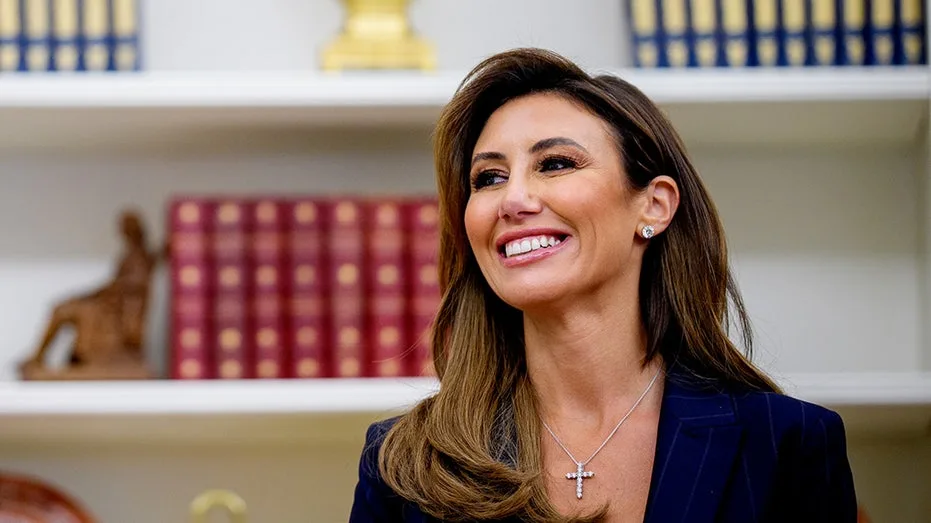
Alina Habba Rejects White House Press Secretary Speculation After Karoline Leavitt's Departure
Alina Habba, senior adviser to the attorney general for U.S. attorneys, has publicly stated she is not a candidate for White House press secretary. This comes after Karoline Leavitt announced her departure, leading to
Aug 20
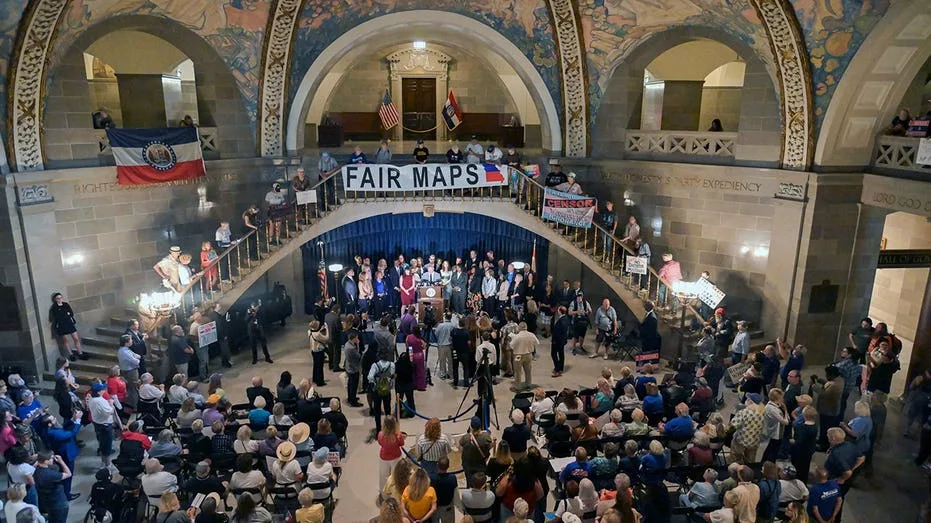
Missouri Judge Upholds GOP-Backed Congressional Map, Blocking Referendum Challenge
A Missouri judge has affirmed the state's new Republican-drawn congressional map, ruling that voters cannot challenge it via referendum. This decision allows the map, which could reshape a Democratic district, to remain
Aug 20
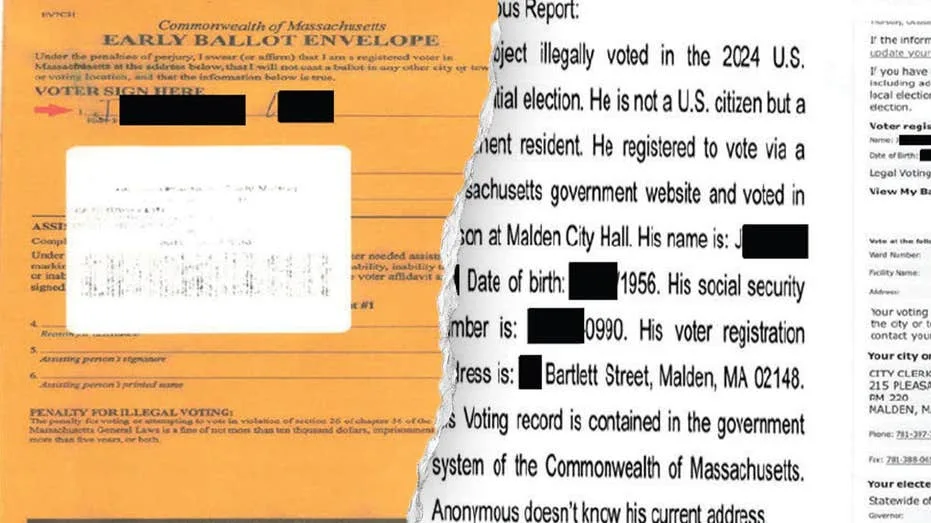
Federal Charges Filed Against Massachusetts Resident for Alleged Impersonation in 2024 Election Voter Fraud
A Massachusetts man, Yupeng Sun, faces federal charges for allegedly registering and casting a ballot in the 2024 presidential election using another person's identity. He is also accused of fabricating immigration
Aug 20
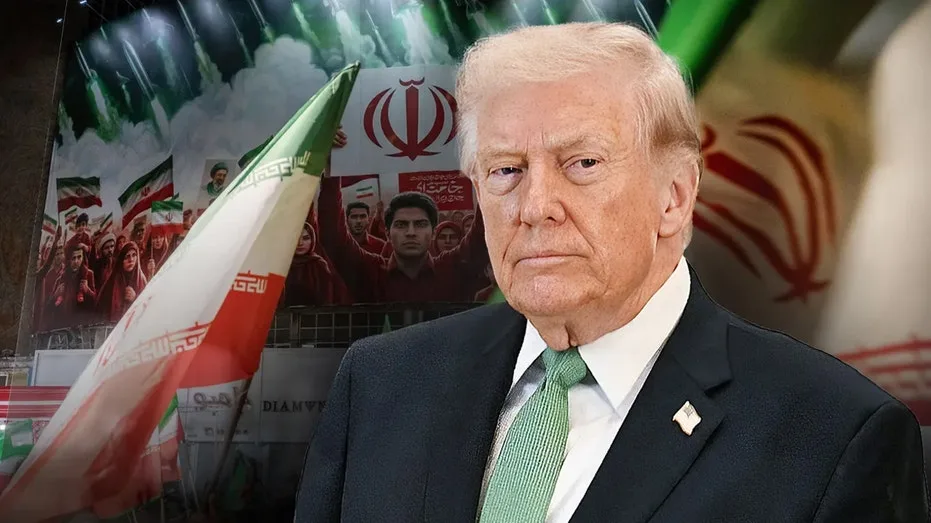
Trump Warns Nations Aiding Iran Will Face 'Unprecedented' Economic Retribution
Former President Donald Trump declared an "economic D-Day" against Iran, unveiling severe new sanctions and vowing "tremendous economic consequences" for any nation found to be offering financial or logistical lifelines
Aug 19